Category: Uncategorized

  • How NZ Aged Care Providers Can Use Video to Build Trust With Families

    Elderly care and support in New Zealand

    Choosing aged care is one of the hardest decisions a New Zealand family will ever make. They are trusting someone else with the safety, comfort, and dignity of a parent or grandparent. The stakes are enormous, and the anxiety is real.

    And yet most aged care websites in New Zealand do almost nothing to ease that anxiety. The homepage shows a stock photo of two elderly people holding hands in a garden that could be anywhere in the world. The rest of the site is a list of services, a few testimonials, and a contact form.

    Families leave those sites with more questions than they arrived with. What does the place actually look like? Who are the staff? What does a normal day feel like for residents? Will Mum be safe? Will she be happy?

    The providers who answer those questions clearly are the ones filling their beds. The ones relying on stock images and service lists are the ones wondering why enquiries are slow.

    The problem with most aged care marketing in New Zealand

    Aged care marketing in NZ has a trust problem. Not because the care is bad, but because the marketing fails to show what the care actually looks like.

    Here is what most rest home and care facility websites have in common.

    Generic stock images. Happy elderly couples walking through parks. Hands clasped over a table. A nurse smiling at a clipboard. None of it is your facility. None of it builds trust. Families can tell the difference between a stock photo and a real one, and they are not fooled.

    No emotional connection. The website talks about services, room types, funding options, and compliance certifications. All important, but none of it answers the emotional question that is actually driving the decision: “Will my parent be cared for properly?”

    No sense of daily life. Families want to picture what Tuesday morning looks like. Is there a lounge where people chat? Is there a garden? Do the staff know the residents by name? The website gives them nothing to go on.

    Difficult to feel confident. When every aged care website looks the same, families default to location and price. That is a bad outcome for providers who genuinely offer better care, because they have no way to show it.

    Why video works for aged care providers

    Video does in 30 seconds what an entire website full of text and photos struggles to do. It shows real people in a real place, and lets families feel something about your facility before they ever visit.

    It builds trust faster than text. Seeing a real care worker interact with a real resident in your actual lounge is more convincing than any paragraph of copy. Families see warmth. They see professionalism. They see a place that looks like somewhere their parent could feel at home.

    It shows the environment. Photos flatten a space. Video brings it to life. The garden at morning time. The dining room during lunch. The corridors. The rooms. The communal areas. Families get a genuine sense of what the facility feels like, not just what it looks like from one carefully chosen angle.

    It helps families feel comfortable before visiting. For many families, the first visit to an aged care facility is stressful and emotional. A video on the website lets them pre-visit. They arrive already knowing what the place looks like, who some of the staff are, and what to expect. That makes the visit easier for everyone.

    Practical ways aged care providers can use video

    Video is not a single asset. It is a set of tools, each doing a different job. Here are the most effective types of video for aged care marketing in New Zealand.

    A 30 to 60-second facility overview. This is the hero video on your homepage. A warm, clear walkthrough of your facility with a friendly NZ voiceover. It covers the environment, the team, the care approach, and the daily feel of the place. Families watch it before reading anything else on the site.

    Staff introduction videos. Short clips introducing key caregivers, nurses, or the facility manager. These do not need to be long. Fifteen to thirty seconds each. A face, a name, a warm voice explaining what they do and why they care. Families trust people, not logos.

    “A day in the life” clips. Short videos showing what a typical day looks like for residents. Morning tea. Activities. The garden. Meal time. These answer the unspoken question every family has: “What will Mum’s day actually look like here?”

    Family testimonials. A 30-second video of a family member explaining why they chose your facility, and what their experience has been. Social proof is powerful in aged care because the decision is so high-stakes. Hearing from another family who has been through it is enormously reassuring.

    Recruitment videos. Aged care providers across New Zealand are competing hard for staff. A short video showing your workplace culture, your team, and what it is like to work at your facility can make a real difference to your hiring. The same video assets often work for both marketing and recruitment.

    What a good aged care video should include

    The tone matters more in aged care video than almost any other industry. Get it right and families feel reassured. Get it wrong and they feel uneasy.

    Warm, reassuring, professional. Not corporate. Not overly emotional. Not clinical. The tone should feel like a trusted nurse explaining what will happen next. Calm, clear, kind.

    A clear message. Every aged care video should land one or two key ideas. The quality of care. The warmth of the staff. The safety and comfort of the environment. The sense of community. Pick your strongest messages and stick to them.

    A warm NZ voiceover. A professional voiceover in a friendly, trustworthy New Zealand accent ties the video together. It carries the script, sets the tone, and gives families a human voice to connect with. This matters more than most providers realise. The right voice builds trust instantly.

    Your own photos and footage. You do not need a professional film crew on site. Phone footage of communal areas, gardens, activities, and staff in action works well. Your own photos of the building, rooms, and grounds are more than enough when combined with a solid edit and a warm voiceover.

    Short length. Thirty to sixty seconds is the sweet spot for most aged care videos. Long enough to convey warmth and credibility. Short enough that families actually watch the whole thing.

    Common mistakes to avoid

    Aged care video is not hard to get right, but there are a few traps that providers consistently fall into.

    Too corporate. Slick corporate videos with dramatic music and fast edits feel wrong for aged care. Families are not looking for a pitch. They are looking for reassurance. Keep it human.

    Too scripted. If the staff testimonial sounds like it was written by a marketing agency, families will not trust it. Natural, genuine, and slightly imperfect is better than polished and hollow.

    Trying to say too much. A 60-second video that tries to cover every service, every room type, every funding option, and every staff member will say nothing clearly. Pick two or three messages and deliver them well.

    No clear goal. Every video should have a purpose. Is it to drive enquiries? Encourage a visit? Support a funding application? Build staff recruitment? Knowing the goal shapes the message, the tone, and the call to action.

    Where to use your aged care video

    Once made, an aged care video works across every channel your families use to find you.

    On your homepage, set to autoplay muted with captions. On your Google Business listing, where it makes your profile stand out against competitors who only have photos. On your Facebook page, where families often research before visiting. In email replies to enquiries, where it answers questions before they are asked. On screens in your reception area, where it reassures families during their first visit.

    One well-made video, used consistently across all of these touchpoints, does more for your enquiry flow and occupancy rate than any amount of printed brochures or generic social posts.

    Need a video that builds trust with families?

    Studio30 makes short-form ads for NZ aged care providers. Send us your facility photos, any footage you have, and your key messages. We combine them with a warm Kiwi voiceover and deliver a polished 30 or 60-second video ready for your website, Facebook, Google Business listing, and reception screens. No filming crew required.

  • Why Most NZ Home Service Businesses Look the Same Online

    NZ landscaped garden and home exterior

    Google any home service in New Zealand. Cleaning, landscaping, lawn mowing, house washing, gutter clearing, window cleaning, pest control, whatever it is. You will get a page of results that all look the same.

    Stock photo of a smiling worker. “Reliable, professional, affordable.” A service list. A contact form. A five-star review count. Every single website is a variation of the same template, saying the same things, with nothing to help the customer choose one over another.

    And when nothing on your website helps the customer choose, they default to the cheapest quote. Which is a bad business to be in.

    Why customers actually choose home service businesses

    People hiring a home service business are not mainly thinking about price. They are thinking about trust. They are letting a stranger onto their property. Sometimes into their home. They want to know who is turning up, whether they will do a good job, and whether they will leave the place the way they found it.

    Price only becomes the deciding factor when everything else is equal. And everything else looks equal on almost every NZ home services website.

    The businesses that charge premium rates and still have a waiting list are the ones that have found a way to stand out. Not with a better logo or a fancier website. With clarity, confidence, and a face behind the business.

    How video builds confidence quickly

    Short-form video is the most efficient way to show customers who you are before they call. It bypasses the “every website looks the same” problem instantly.

    A 30-second video does several things at once. It shows the customer the quality of your work (before and afters, finished jobs, happy clients). It shows your team, your van, your uniform. It gives them a voice to associate with the business. It makes you a known quantity before they have even picked up the phone.

    That shift, from “unknown business” to “known business,” is huge. Customers are willing to pay more and wait longer for a business they already trust than to save $30 with a random cheaper quote.

    And the best part is that home services businesses are sitting on a goldmine of content. Your crew takes photos of before-and-afters constantly. Phone clips from the job site. Van shots. Uniform shots. Customer garden reveals. Clean windows. Trimmed hedges. Pressure-washed driveways. All of it is usable when edited into a polished ad.

    What to include in a home services video

    A good home services ad is tight, specific, and built around proof.

    Open with a transformation. Before and after is the strongest hook in this industry. A dirty driveway becoming clean. An overgrown lawn becoming manicured. A messy gutter becoming clear. You have the material. Lead with it.

    Show the team. Not just the work. A shot of your crew in uniform. Your van pulling up. Someone waving from the gate. Humans on screen build more trust than the work alone.

    Say what you do and where you do it. Specific is better than generic. “Weekly lawn mowing and garden tidy-ups for homes across the Wellington region” lands harder than “full-service landscaping.”

    Call out what makes you different. Same-day quotes. Always on time. Fixed pricing. Fully insured. Friendly staff, never pushy. Whatever is actually true. The adjectives only matter if they are specific and believable.

    A warm Kiwi voiceover over the top. Friendly, trustworthy, local. The kind of voice that sounds like the person you want to invite onto your property. A NZ accent matters here more than most industries, because customers want someone who feels like “one of us”.

    A clear call to action. “Free quote today. Call or book online.” One step, one number, one URL. Do not bury it.

    Where the video earns you more jobs

    A good home services video is a multi-channel asset. Homepage hero. Google Business profile. Facebook and Instagram organic posts. Meta ads targeting local suburbs. Van-side QR code linking to it. Email signature. Quote emails. Every place a potential customer meets your business, your video should be there.

    Home services businesses with a professional promo ad on their Google Business profile often see a noticeable lift in enquiry volume. The listing stands out in local search, and customers who are comparing three quotes pick the one that feels most legitimate, not cheapest.

    Stop looking like every other home service business

    Studio30 makes short-form ads for NZ home services businesses. Send us your before-and-after photos, any job site clips, and your logo. We combine them with a warm Kiwi voiceover and deliver a polished 15 or 30-second ad ready for your website, Facebook, and Google Business profile. No filming required.

  • Why Local NZ Retailers Are Losing Customers to Bigger Brands Online

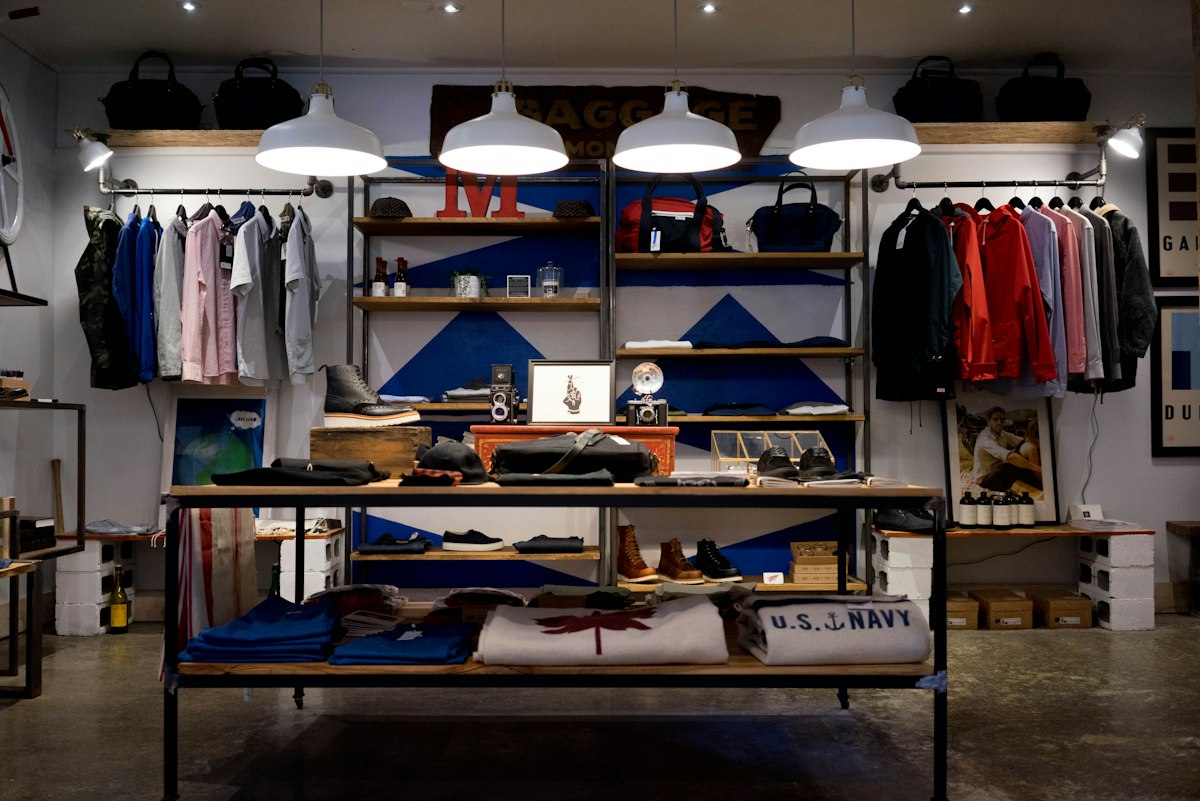
    NZ local retail shop interior

    Running a local retail shop in New Zealand right now is brutal. Your customers can buy the same products online at a lower price, delivered to their door by Friday, from a global brand with more ad spend than your entire annual revenue.

    And yet the best local NZ retailers are still growing. Not by competing on price. Not by matching Amazon on convenience. By doing what big online brands cannot do. Telling their story. Showing their people. Being the shop the customer wants to support, not just buy from.

    The ones losing ground are the ones still relying on product photos and price-led Facebook posts. That strategy used to work. It does not anymore.

    Why storytelling matters more than price

    If you are a local NZ retailer trying to compete with Amazon, The Iconic, Temu, or any of the bigger online brands on price alone, you will lose. They have buying power you do not. They have logistics you cannot match. They have ad budgets you cannot touch.

    What you do have is something they cannot replicate. A story. A team. A location. Real people behind the business. Decisions made by a human who lives in the same community as the customer.

    That story is your edge. It is the reason a customer chooses to drive to your shop or pay $15 more to buy from your online store instead of a global one. But only if they know the story. And most local NZ retailers are terrible at telling it.

    A page buried in the “About” section of your website that says “we are a family-owned store established in 2005” is not telling the story. It is filing a record.

    How video helps level the playing field

    Short-form video is the fastest way for a local retailer to level the playing field. It lets you do in 30 seconds what a multinational brand cannot do at all: feel human.

    A well-made 30-second video can show your shop, your team, your products, and your personality in one go. Customers who see it think differently about you. You stop being a line item on a Google results page. You become a place they want to support.

    For local retail, video wins both online and in-store. Online, it gives social ads the personality needed to compete with big brand marketing. In-store, it plays on screens and draws people in from the street. On your Google Business profile, it gives you a huge edge over local competitors who have only uploaded photos.

    And you already have the raw material. Phone clips of your shop. Photos of products, staff, displays, deliveries. Maybe a few customer shots you have permission to use. None of it is campaign-grade on its own. All of it is more than enough once it is edited, scripted, and voiced properly.

    What a local retail video should focus on

    A retail ad has one job. Make the viewer want to come in, or buy from your store instead of a competitor. That means it needs to feel personal, and it needs to be specific.

    Open with something specific to your shop. Not a stock shopping scene. A shot of your actual window, your best display, your team unboxing new stock, a signature product. Something that screams “this is a real place, not a generic brand.”

    Show your people. The owner. The staff. The faces behind the business. People connect with people. A local shop video without any humans in it might as well be a brochure.

    Show the products in context. Not just flat lays. Products being held, tried on, arranged, unwrapped. Give the viewer a sense of what it is like to shop with you.

    A warm Kiwi voiceover telling the story in 30 seconds. “We are a small family-run homeware store in Napier. We hand-pick everything in the shop, and we love meeting the people who take it home.” That is the emotional hook national chains cannot copy.

    Music that matches the shop. Don’t use hype music for a slow-living homewares store. Don’t use acoustic covers for a streetwear brand. The music has to match the customer you want.

    A clear reason to visit or shop online. One offer, one action. “Visit us on Queen Street.” “Shop the collection online.” Not both. Pick the channel you want traffic on, and push it hard.

    The retailers winning locally are the ones doing this

    Walk into any thriving NZ retail precinct, Ponsonby, Britomart, Sumner, Wellington’s Cuba Street, Dunedin’s Princes Street, and the shops doing well are the ones with personality, visible online. They have video on their Instagram. They run short-form Meta ads. They have a video on their Google Business profile.

    Their competitors down the road, running the same tired product photos and 15-percent-off posts, are the ones quietly closing.

    You cannot outspend the big players. You can out-personality them, easily. Video is the tool.

    Put some personality into your marketing

    Studio30 makes short-form ads for NZ local retailers. Send us your shop photos, product clips, and logo. We combine them with a warm Kiwi voiceover and deliver a polished 15 or 30-second ad ready for your website, Instagram, Facebook, and Google Business profile. No shoot day required.

  • Why Most NZ Gyms Struggle to Stand Out Online

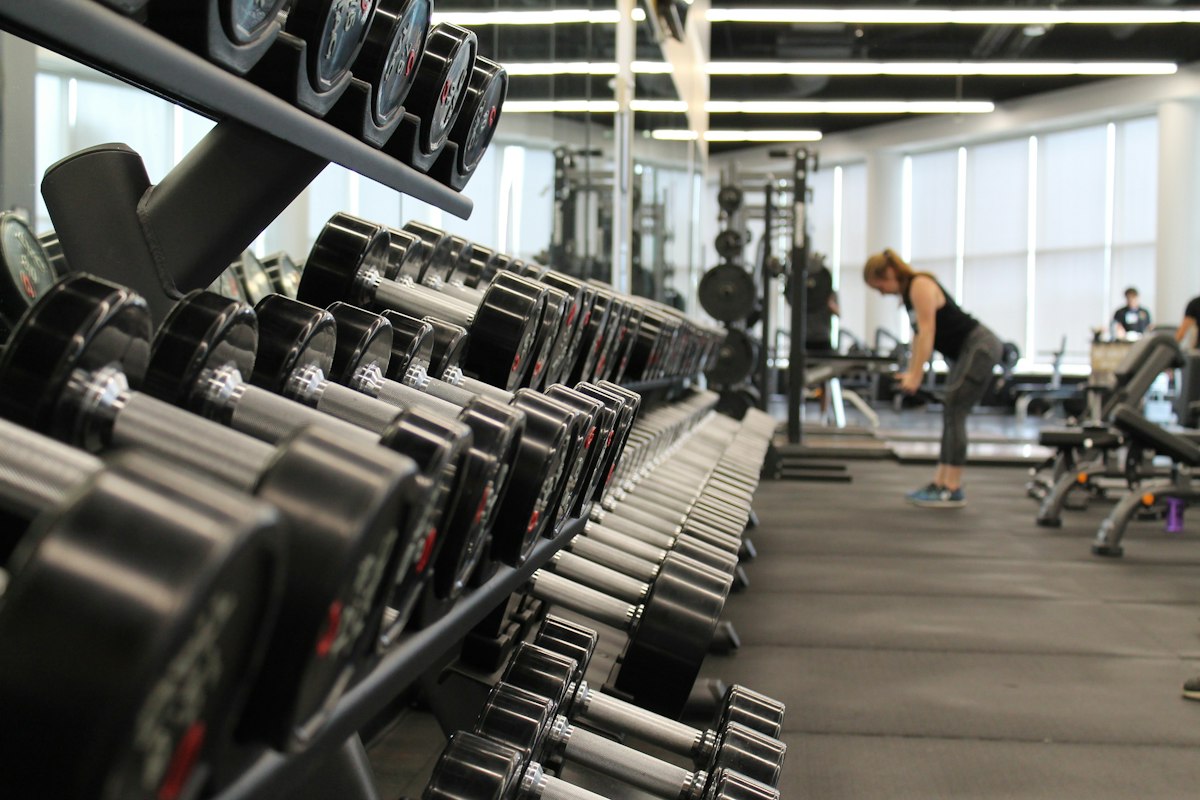
    NZ gym training environment

    Walk through any NZ main street and there is a gym on the corner, a CrossFit box next door, a yoga studio above a cafe, a boxing gym in the industrial estate up the road, and a Les Mills or Anytime Fitness somewhere nearby. The market is crowded, and every gym is saying the same things online.

    “Friendly community.” “Expert trainers.” “All fitness levels welcome.” The tagline changes but the message does not.

    If you run a gym, studio, or fitness business in New Zealand, this is your problem. You are competing in a market where everyone sounds the same, and the only thing most gyms are doing to stand out is running another “$1 first week” special. That is not marketing. That is a race to the bottom.

    Why generic fitness content is not working anymore

    Stock photos of gym equipment. A logo over a blurred background. A grid of posed trainer headshots. Service listings. A price page. That is what most NZ gym websites and social pages look like. It tells the prospect nothing about what it actually feels like to train at your place.

    The prospect wants to know something very specific. Will I feel like an idiot walking in? Are the people intimidating or friendly? Is there energy in the room or is it dead at the times I can go? Do the trainers actually coach, or just stand around on their phones?

    None of that comes through in still photos or generic copy. And no amount of discount offers makes up for a prospect who cannot picture themselves in your gym.

    How video shows energy, vibe, and results

    Fitness is one of the best industries for video, because the product is movement. You cannot show the experience of a group class, a deadlift, a yoga flow, or a pad session with a photo. You can only show it in video.

    A good gym video answers the unspoken questions all at once. Prospects see the room. They see people of different ages and fitness levels. They see the trainer coaching, not just standing there. They see the energy of a class. They see results visually, not as a number on a testimonial card.

    That answers the “can I see myself here” question in a way no photo can. And it only takes 30 seconds.

    The even better news for gym owners is that you already have the raw material. Your trainers have been taking phone clips for years. You have photos of classes, events, and client transformations. Your members post content all the time. All of that is usable for building a professional promo ad, as long as it is edited properly and paired with a tight script and a warm Kiwi voiceover.

    What a gym promo video should include

    Forget the Rocky-style hype reel. A gym ad that actually converts new members is specific, warm, and short.

    Open with energy. The first three seconds need a hook. A deadlift rep. A class in full flow. A trainer giving the countdown. Something that says “this place is alive.”

    Show real people, not models. The best gym ads feature your actual members, not stock fitness models. Different ages, different body types, different stages of their journey. That authenticity is what makes the viewer think “I could do that.”

    Show the coaching, not just the workouts. Prospects are looking for guidance. Clips of trainers actually teaching, spotting, correcting form, these do more to sell your gym than any amount of montage footage.

    A warm Kiwi voiceover over the top. Keep the script simple. What you are, who trains with you, and what makes you different. “Strength training for busy Aucklanders who are over being invisible at big-box gyms. Small groups. Real coaching. Real results.” That lands in 10 seconds.

    Music that matches your style. Powerlifting gym? Heavy beats. Yoga studio? Calm and flowing. Boutique HIIT? Upbeat and modern. Match the music to the kind of member you want to attract.

    A single clear offer. “Book a free session” or “Try a week on us” with your URL on screen. One offer, one next step.

    Where it pays back

    Once made, a good gym video lives everywhere. On the homepage. On Instagram and TikTok as organic posts. As a Meta ad targeting your local suburb. On your Google Business profile. In your welcome email. On screens inside the gym for member retention.

    Boutique gyms and studios in NZ that run consistent short-form video ads usually see dramatically better trial-to-member conversion than competitors relying on discount-led campaigns. Video builds brand. Discounts just buy traffic that churns.

    Stand out in a crowded fitness market

    Studio30 makes short-form ads for NZ gyms, studios, and fitness businesses. Send us your class clips, trainer footage, and photos. We combine them with a warm Kiwi voiceover and deliver a polished 15 or 30-second ad ready to run on Instagram, Facebook, TikTok, and your website. No shoot day required.

  • Why Most NZ Cafes and Restaurants Are Missing Out by Not Using Video

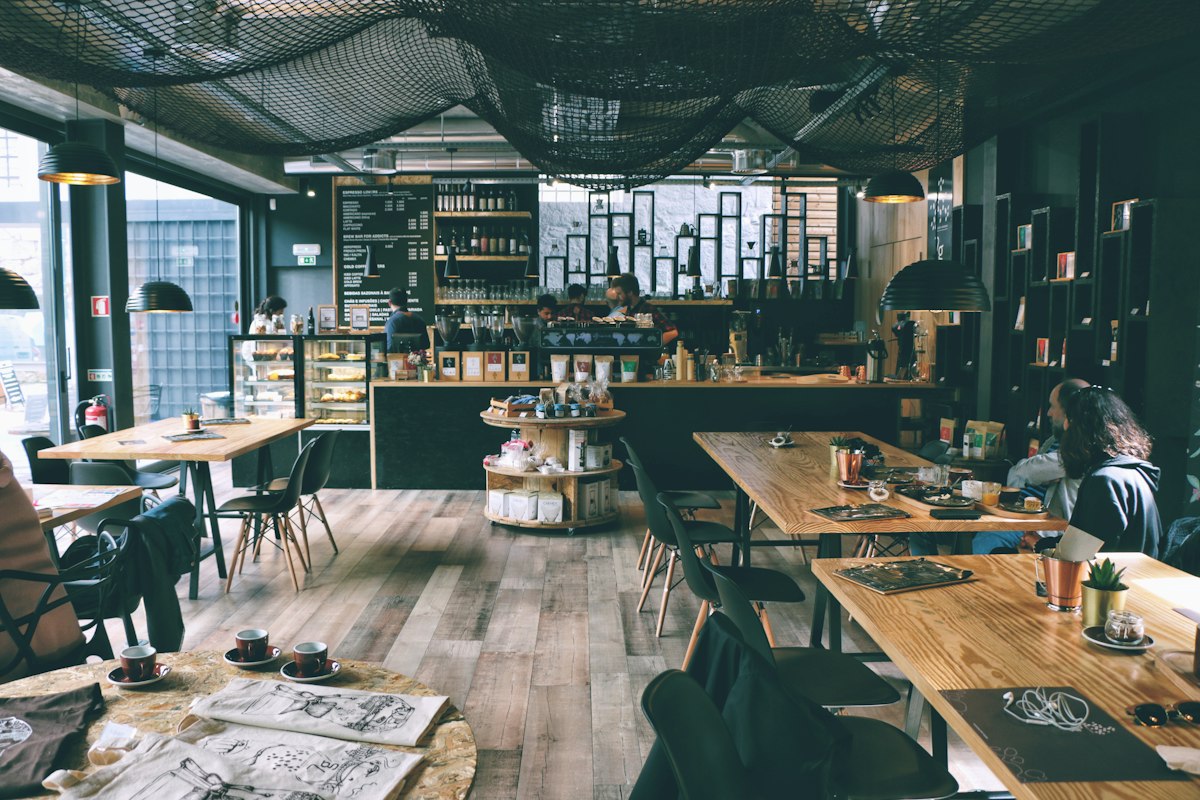
    NZ cafe and restaurant scene

    Scroll through the Instagram page of any NZ cafe or restaurant and you will see the same thing. Beautiful photos of flat whites, brunches, burgers, and baristas. All polished. All still. All getting scrolled past.

    Photos used to be enough for hospitality. They are not anymore. The algorithms on Instagram, Facebook, and TikTok now heavily favour video. Your static posts are being seen by fewer followers every month, which means fewer bookings, fewer walk-ins, and fewer regulars finding you.

    The cafes and restaurants that are growing right now are the ones posting short-form video consistently. Everyone else is quietly losing ground.

    Why video creates stronger desire than photos

    Food and drink are sensory. Taste, smell, sound, texture, steam, sizzle, the sound of milk being steamed. A photo captures none of that. A 10-second clip of a flat white being poured, the crema forming, the cup hitting the saucer, that captures all of it.

    Video creates craving in a way photos cannot. A moving shot of a burger being cut open with cheese pulling, of a pizza coming out of a wood-fired oven, of a cocktail being built from scratch, those trigger a response photos just cannot match.

    And the modern hospitality customer is not just browsing. They are deciding where to go tonight, next weekend, for the anniversary, for the meeting. Video helps them make that call. It turns “maybe” into “let’s go.”

    How social video drives foot traffic and bookings

    Short-form video travels further than photos. A well-edited 15 to 30-second clip of your cafe, restaurant, or bar can reach thousands of local people on Instagram Reels, Facebook, and TikTok, often without spending on ads.

    The algorithms reward video because users watch it longer. That extra watch time is what drives your content into the feeds of people who do not follow you yet. Those people are your next customers.

    On top of organic reach, video is now also the most cost-effective format for boosted posts and paid ads on Meta. If you are spending any money promoting your cafe or restaurant, running video instead of photos lowers your cost per click and improves your conversion to bookings.

    The good news is that NZ hospitality businesses are already sitting on the raw material for great video content. Your phone camera roll is full of it. Every brunch service, every pour, every plate going out is a potential clip. What is missing is the edit, the music, the branding, and a script that turns it into a polished ad instead of a random clip.

    What a simple hospitality video should include

    A hospitality video does not need to be complicated. It needs to make the viewer hungry, and give them a reason to visit.

    Open with food or drink in motion. The first three seconds decide everything. Open with the pour. The steam. The cut. The flip. Whatever the most visually exciting moment is in your venue.

    Show the atmosphere. Not just the food. Customers also want to see the vibe. A shot of the room. The outdoor seating. The staff in action. The lighting in the evening. Atmosphere sells as much as the menu.

    Use your existing phone footage and photos. You do not need a professional shoot. Phone clips taken during service, behind-the-bar moments, customer-approved shots of the room, and your existing food photography are usually enough to build a full ad when edited properly.

    A warm Kiwi voiceover for punch. A simple script, voiced in a friendly NZ accent. Say what you are, where you are, and what you are known for. “Brunch, coffee, and one of the best eggs benedict in Wellington. Open seven days from 7am.” Done.

    Music that matches your vibe. Upbeat and modern for a casual cafe. Warmer and rhythmic for a restaurant. Energetic for a bar. Let the soundtrack reinforce the feel of the place.

    A clear call to action. Book online. Visit us. Order takeaway. One next step, not three. Your address or booking URL on the end frame.

    One good video, used everywhere

    Once a hospitality video is made, it works across every channel at once. It pins to the top of your Instagram. It runs as a Facebook and Reels ad. It sits on your Google Business listing. It plays on screens in your venue. It goes in your email newsletter. It shows up on your website homepage.

    Cafes and restaurants that invest in one good piece of short-form video every month usually see noticeable lifts in weekend covers, booking enquiries, and new walk-ins within the first couple of months. The ones relying only on photo posts keep wondering why reach is dropping.

    Drive more bookings and walk-ins with video

    Studio30 makes short-form ads for NZ cafes, restaurants, and bars. Send us your phone clips, food photos, and logo. We combine them with a warm Kiwi voiceover and deliver a polished 15 or 30-second ad ready for Instagram, Facebook, TikTok, and your website. No professional shoot required.

  • Why Most NZ Professional Service Websites Feel Generic and Forgettable

    NZ professional services meeting

    Open any NZ accountant’s website. Then open the next one. Then another. They all look the same. A stock photo of a handshake. A tagline about “trusted advice”. A list of services. A team page with headshots on a grey background.

    The same is true of most law firms, financial advisors, insurance brokers, and consultants across New Zealand. The websites are professional, polished, and completely forgettable.

    The result is that potential clients cannot tell one firm from another. They end up choosing based on price, proximity, or a mate’s recommendation. Your marketing does almost none of the selling, because it feels like every other firm’s marketing.

    Why trust and personality matter more than credentials

    Here is the uncomfortable truth about professional services in NZ. Your credentials are the ticket to the game, not the reason someone hires you. Every firm on the shortlist is qualified. Every firm has the right letters after their names. Every firm has insurance, compliance, experience.

    What clients are actually comparing is how you make them feel. Do they trust you with their money, their legal problem, their business? Do they think you will explain things in plain English? Do they feel like you actually give a damn, or will they be passed off to a junior?

    That feeling is built on personality. On voice. On tone. On how approachable you seem. And none of that comes through in a page of corporate copy and a list of services.

    How video builds connection fast

    Video is the shortcut from “one of many firms” to “the firm I want to talk to.” A 30-second intro video on your homepage changes the entire feel of your site.

    Clients see real people behind the business, not just headshots. They hear how you talk. They get a sense of whether you are formal or relaxed, serious or warm, straight-up or corporate. That information is what they use to decide whether to book a first meeting.

    For professional services, trust is built faster by tone of voice than by content. A short video with a warm Kiwi voiceover walking through what your firm does, who you help, and what it is like to work with you does more for conversion than another thousand words on your services page.

    The beauty is that you do not need to stand in front of a camera yourself to get this result. Your team photos, office shots, client meeting scenes, and a voiceover do the same job without the awkwardness of on-camera presenting.

    What to say in a professional intro video

    A professional services intro video has one job. Make the right kind of client feel like you are the right kind of firm for them.

    Open with the client’s situation. Not your firm’s name. Open with what the client is dealing with. “Running a growing NZ business and tired of accountants who only surface at tax time?” “Looking for a lawyer who actually returns calls?” “Need financial advice that does not come with a sales pitch?”

    Say what you do and who you do it for. Specific is better than general. “We help NZ tradies and small business owners stay ahead of tax and grow their numbers” lands harder than “full-service accountancy firm based in Auckland.”

    Show what it is like to work with you. Responsive communication. Fixed fees. Plain English advice. Proactive contact. Whatever actually makes your firm different, name it. Do not just say “trusted.” Everyone says that.

    A warm NZ voiceover carrying the message. In professional services, tone is everything. A friendly, trustworthy Kiwi voice makes you sound like someone clients actually want to meet. It softens the professionalism without undercutting it.

    Visuals from what you already have. Team shots, office interiors, screens, handshakes, meeting moments, your logo in action. Combined with a few well-chosen stock shots, that is more than enough to build a polished 30-second video. You do not need to stage a shoot.

    A simple call to action. “Book a free first meeting” with your URL on screen. Not three options. One clear next step.

    Where an intro video earns its keep

    A professional services intro video sits on the homepage as the first thing visitors see. But it keeps working well beyond that. It lives on your LinkedIn company page. It becomes the opener for your LinkedIn ads. It goes on your Google Business profile. It becomes a clip your team can share when prospecting.

    One professional firm in NZ adding an intro video to their site does not sound like a big change. But the firms that have done it are the ones that now feel approachable, modern, and human compared to competitors who still look like every other grey corporate website.

    Stand out from every other NZ firm

    Studio30 makes short-form intro videos for NZ accountants, lawyers, financial advisors, and professional services firms. Send us your team photos, office shots, and logo. We combine them with a warm Kiwi voiceover and deliver a polished 30-second video ready for your homepage, LinkedIn, and Google Business listing. No filming required.

  • Why Most NZ E-commerce Brands Aren’t Using Video Properly on Product Pages

    NZ ecommerce packaging and products

    For most NZ e-commerce brands, the product pages are where the money is lost. Shoppers land on the page, look at the photos, scroll halfway down, and leave. The cart never gets touched. Or worse, it gets loaded up and abandoned at checkout.

    NZ online retailers spend serious money driving traffic to their stores through Google, Meta, and influencer marketing. Getting someone to the product page is the expensive bit. Losing them once they are there is the avoidable bit.

    Here is the thing almost every NZ brand under $10m in revenue is still getting wrong. They are trying to sell products with static images alone.

    Why static images are not enough in 2026

    Product photography is non-negotiable. Great flat lays, lifestyle shots, and detail images are the baseline every online store needs. But they are no longer the differentiator. Every competitor has them too.

    The problem is that images answer the question “what does it look like?” and then stop. Online shoppers have three other questions that images cannot answer. How big is it really? How does it work? Can I trust that what arrives will match what I ordered?

    Those questions are why shoppers bounce to Google and start searching for reviews, unboxing videos, and TikTok comparisons. Every time they leave your page to find that content elsewhere, you lose them.

    Video on the product page keeps them there. It answers the missing questions before they bounce. It is the difference between a 2 percent conversion rate and a 4 percent conversion rate, which on an e-commerce site is not a small gain.

    How video increases trust and clarity on product pages

    Short product videos do three specific things that static images cannot.

    They show scale and real-world size. A photo of a candle, a necklace, or a piece of homeware gives you no sense of how big it is. A 10-second clip with it in someone’s hand, on a desk, or worn on a body answers the question instantly.

    They show the product in use. How the clasp works on the bag. How the skincare product is applied. How the kitchen appliance assembles. What the fabric moves like when worn. None of this lives in a static image.

    They build brand trust. A product page with a polished, branded video signals legitimacy. A product page with only stock-looking images signals risk. Shoppers are wary of NZ sites that feel like drop-shippers. Video is the fastest way to show you are the real thing.

    What a good NZ product video should include

    Product videos do not need to be long. In fact, shorter is almost always better. A 15 or 30-second clip is plenty.

    A strong hook in the first 3 seconds. The product in motion. A close-up of the best feature. A surprising angle. You have to earn the rest of the viewer’s attention.

    Multiple angles and scales. Show the product up close. Then from a normal distance. Then in context of use. Three to five shots, each under 3 seconds, is usually enough.

    A human element. A hand holding the product. Someone wearing it. A person using it. Humans in frame dramatically increase engagement and help shoppers picture themselves using it.

    A clear message via voiceover or captions. Say what it is, who it is for, and why it is worth it. Keep it to one or two sentences. A warm NZ voiceover makes local brands feel local. On-screen captions work for silent viewing.

    Use your existing product photos and any clips you have. You do not need to shoot a new campaign. Your existing product photography, any phone footage from photoshoots, any content your customers or team have captured, all of that is enough to build a polished ad when edited properly.

    Branded end frame with the price or offer. Close with the product name, the price, and a “shop now” prompt. Everything the viewer needs to pull the trigger.

    Where to use the video once you have it

    Product video is not a product page asset only. It is a workhorse. Once made, one video works everywhere.

    On the product page itself as the main visual. In Instagram and Facebook ads. On TikTok. As the opener for an email campaign. On your homepage as a hero promotion. In your Google Shopping ads. The production cost is front-loaded once, and the asset works across every channel you sell through.

    NZ e-commerce brands that invest in video on their top-selling SKUs almost always see a measurable lift in conversion, average order value, and return on ad spend. The brands that keep running photo-only campaigns while competitors move to video are the ones quietly losing market share.

    Ready to stop losing carts to missing video?

    Studio30 makes short-form product ads for NZ e-commerce brands. Send us your existing product photography and any clips you have. We combine them with a warm Kiwi voiceover and deliver polished 15 or 30-second ads ready for product pages, social, and paid campaigns. No filming required.

  • Why NZ Tourism Websites Fail to Turn Interest Into Bookings

    New Zealand landscape and tourism scenery

    Thousands of people are on your NZ tourism website right now. They are looking at your photos, scrolling your homepage, reading about your lodge, your wine tour, your adventure experience, your alpine trek. And most of them will leave without booking.

    Tourism operators in New Zealand have some of the most scroll-stopping imagery in the world. Fiords. Vineyards. Glaciers. Beaches nobody has heard of. And yet booking rates on NZ tourism sites are often lower than operators expect, because beautiful imagery alone does not close the sale.

    The browsers you are losing are not losing interest. They are losing clarity.

    The gap between beautiful visuals and clear messaging

    Here is the pattern. A potential guest lands on your homepage. They are hit with a stunning hero image, a slideshow of your location, and a nav menu. Gorgeous. They scroll down and start looking for the details that make them hit “book now.”

    What do they actually want to know? How long is the experience? What is included? What is the vibe? Is it suitable for families, couples, older travellers? How far from their accommodation? What do other guests say?

    Most tourism websites answer these questions with long pages of text, a FAQ section, a prices table, and more photos. The visitor reads half of it, gives up, and opens TripAdvisor in another tab to try to figure it all out faster.

    You have done the hard part. You have a world-class experience. You have professional photos. The gap is that none of that communicates the feel of the experience in the 30 seconds someone spends on your homepage.

    Why homepage video dramatically improves booking conversion

    Video works for tourism in a way it does not work for almost any other industry. The experience you are selling is sensory. It is a view, a feeling, a sound. Static images can hint at it. Video lands it.

    A 30-second ad on your homepage, playing automatically, muted, with captions, does three things at once. It shows the scale and quality of the experience. It answers the “what will it feel like to be there” question instantly. And it does it without forcing the visitor to read anything.

    For tourism operators, conversion lift from adding a homepage video is usually one of the biggest marketing wins available. You are not creating new demand. You are just helping the people already on your site to make the decision they came to make.

    Add a warm NZ voiceover over the top and you add something else: a voice that sounds like the country you are selling. That authenticity matters, especially for overseas visitors researching from Sydney, LA, or Singapore.

    What a tourism promo video should show and say

    A good tourism ad is a 30-second trailer for your experience. Not a documentary. Not an ad in the traditional sense. A trailer.

    Open with the view. The first three seconds have to make someone stop scrolling. The widest, most stunning shot you have. The mountain, the fiord, the vineyard at golden hour, the glacier reflection. Do not waste the opening on a logo.

    Show the experience, not just the scenery. Scenery alone gets scrolled past. Add people. A guest at the viewpoint. A couple with wine glasses. Kids laughing on the boat. A guide pointing something out. People help the viewer picture themselves there.

    Use your existing photos and footage. You do not need to shoot anything new. Your professional tourism photography, guest photos you have permission to use, and any phone footage you have from tours make the base of the ad. A few stock shots can fill gaps.

    Add a warm Kiwi voiceover. A short, clear script voiced in a friendly NZ accent. Say what it is, where it is, and who it is for. “Half-day small-group wine tours from Queenstown. Four vineyards. Lunch included. Perfect for a relaxed day out.” That is the whole message.

    Music that matches the mood. Adventure tourism needs energy. Lodges and retreats need calm. Wine and food tours need warmth. Let the soundtrack reinforce the feel.

    Captions for silent viewing. Most website visitors have sound off. Most social viewers do too. Captions are not optional.

    End with a simple call to action. “Book online now” with your URL on screen. Not three options. One.

    Where the video earns its keep

    A tourism video is not a one-time piece. You use it everywhere. The homepage is the first place. But it also becomes the opener for your Facebook and Instagram ads. It goes on your Google Business listing. It goes in your email newsletter header. It plays in the lobby of partner accommodation. It becomes the clip travel agents share when recommending you.

    One good 30-second ad, used consistently, pays for itself on a single extra booking. Most operators find it pays back many times that within the first month.

    Turn more browsers into bookings

    Studio30 makes short-form ads for NZ tourism operators. Send us your existing photos and any footage you have. We combine them with a warm Kiwi voiceover and deliver a polished 30-second ad ready for your homepage, Facebook, Instagram, and Google Business listing. No filming required.

  • Why Most NZ Tradie Websites Don’t Convert Visitors Into Jobs

    NZ tradie on the job

    You are paying for Google ads. You are running Facebook ads. People are clicking through to your website. And most of them are leaving without ever picking up the phone.

    For most NZ tradies, website traffic is not the problem. Conversion is. Visitors land on the site, spend 20 seconds scanning it, and go back to Google to check out the next plumber, builder, or electrician on the list. By the end of the week, you have paid for a hundred clicks and booked three jobs.

    That is not a traffic problem. That is a trust problem. And the fix is not more ad spend.

    Why trust is missing from most NZ tradie websites

    Most tradie websites look the same. A stock photo of a toolbox, a list of services, a phone number, maybe a contact form. If that is all a visitor sees, they have no reason to choose you over the next tradie down the page.

    The problem is that trade work is high-stakes for the customer. They are letting you into their home. They are handing over thousands of dollars. Their decision is not about the lowest price. It is about who they trust to actually turn up, do the job properly, and not rip them off.

    Text on a website does not build that trust. A long list of services does not build it. Even five-star Google reviews only go so far when every competitor has them too.

    What builds trust fast is seeing who is behind the business. A face. A voice. A few seconds of footage from a real job. That is what turns a visitor into a lead.

    The role of video in building credibility fast

    Video does in 15 seconds what a whole page of website copy cannot do. It shows the customer you are a real business, run by real people, doing real work in New Zealand.

    When a homeowner lands on your site and sees a short ad playing on the homepage, a few things happen fast. They see you actually exist. They see the quality of your work. They hear a friendly Kiwi voice explaining what you do. The difference between that and a static page of services is enormous.

    The good news for tradies is that this does not require a film crew. You already have the raw material. Photos of finished jobs. Quick phone clips from the worksite. Team shots. Your logo and van livery. Those assets, combined with a warm NZ voiceover and a tight script, make a 30-second ad that does more for conversion than any amount of website copy.

    What a tradie should say in a 30-second video

    Thirty seconds is tight. You get about 70 to 80 words. That means you cannot list every service. You need to pick one clear message and land it hard.

    Here is a simple structure that works for almost any trade.

    Open with the customer problem. Not your company name. Not your years in business. Start with what the viewer is worried about. “Leaking tap and not sure who to call?” “Thinking about renovating the bathroom?” “Panel on the fritz and need a sparkie today?”

    Introduce the business with a line of credibility. Not a paragraph. One line. “We are a family-run plumbing team in Christchurch, on the tools for over 20 years.”

    Name what you do. Pick your two or three main services. Do not try to list everything.

    Say what makes you different. Fixed quotes. Same-day call-outs. No mess left behind. Licensed and insured. Whatever is actually true, and actually different.

    Close with a clear call to action. “Call us today for a free quote.” Your phone number on screen. Your website address. One step, not three.

    That is the whole ad. Scripted, voiced in a friendly NZ tone, built from your existing photos and job clips. Thirty seconds. Plays on your website, your Facebook page, your Google Business profile, and anywhere else customers find you.

    Where to run it and what to expect

    Once you have the ad, it is not a one-time thing. It is a piece of marketing you use everywhere.

    Embed it on the homepage of your website, front and centre, set to autoplay muted with captions. Pin it to the top of your Facebook page. Upload it to your Google Business profile. Use it as the opener for any Facebook ad campaigns you run. Add it to your email signature.

    One good 30-second ad, used consistently across all those channels, does more for your lead flow than another $500 of Google ad spend on a site that still has no video on it.

    The tradies who are growing fastest in 2026 are not working harder. They have just stopped relying on text-only websites to do a job that video does better.

    Want a video that actually converts visitors into jobs?

    Studio30 makes short-form ads for NZ tradies. Send us your job photos, any phone clips from the site, and your logo. We combine them with a warm Kiwi voiceover and deliver a polished 30-second ad ready to run on your website, Facebook, and Google Business profile. No filming required.

  • Why Most NZ Real Estate Agents Are Losing Listings Because of Poor Video Content

    NZ real estate agent presenting a home

    Every week, NZ real estate agents are losing listings they should have won. Not because their fees were too high. Not because another agent promised a better result. They are losing listings because the vendor googled them, watched their online content, and decided they looked like everyone else.

    Vendors are not just choosing an agent anymore. They are choosing a marketer. And when they compare you to the competition online, the video content attached to your listings and your personal profile does a lot of the selling before you even walk into the listing presentation.

    If your video presence is thin, generic, or just plain bad, you are bleeding listings to agents who have worked out that good photos, decent video clips from the walkthrough, and a properly produced ad can change their business.

    The common mistakes NZ real estate agents keep making with video

    Most agent videos fall into one of three buckets: long vertical walkthroughs shot on a phone with no editing, boring headshot-to-camera introductions, or slideshows of property photos with a piano track behind them. None of these build a personal brand and most of them actively damage one.

    Here is what keeps going wrong.

    Starting slow. The first three seconds of any video decide whether someone keeps watching. Most agent videos open with a logo animation, a wide shot of a house, or the agent introducing themselves. By then, the viewer is gone.

    Too long. A 90-second listing walkthrough is not a listing walkthrough. It is a short film nobody asked for. The best performing real estate videos on social media are 15 to 30 seconds. Fast cuts, one strong idea, done.

    No script. Agents talk too much and say too little. A rambling freestyle video repeats itself and fails to land a single clear message. A scripted 15-second ad, voiced properly, outperforms it every single time.

    No voiceover. On-camera talking from agents often sounds nervous, rushed, or flat. A professional voiceover in a warm, trustworthy Kiwi tone does the selling for you. It lets the visuals (your listing photos, your walkthrough clips) do what they do best, without the viewer being distracted by awkward presenting.

    No call to action. The video ends, the viewer has nowhere to go, the lead evaporates. Every ad needs a clear next step, whether that is a phone number, an open home time, or a link to your listing page.

    Why video matters more than ever for your listings and your brand

    When a homeowner is thinking about selling, they do not pick up the phone first. They scroll. They look at Instagram, Facebook, TradeMe, and whatever agent marketing shows up in their feed. By the time they call three agents for appraisals, they have already decided who is in the lead.

    That decision is almost entirely based on how you show up online. Your listings speak to buyers. Your personal brand videos speak to vendors. If you are only producing basic listing walkthroughs and never putting out polished ads that position you as a professional, you are missing half the game.

    Video is also the fastest way to build trust. A vendor who sees three short, well-produced ads from you, promoting a recent listing, explaining the local market, or calling out an open home, feels like they already know you. That feeling wins listings.

    On the listing side, short-form video is now expected. Vendors are asking “what will you do on social media?” in every listing presentation. If your answer is a 2-minute walkthrough on YouTube, you are behind.

    What a high-performing NZ real estate video should include

    A good real estate ad is not about fancy drone footage or cinematic colour grades. It is about the right message, delivered fast, with the assets you already have.

    A strong hook in the first 3 seconds. Open with the most interesting feature of the property, a surprising number, or a direct question. “Three bedrooms, walking distance to the beach, under $900k” lands harder than “Welcome to 42 Smith Street.”

    A tight script. Every word earns its place. A 30-second script is around 70 to 80 words. Write it, trim it, then trim it again.

    Your existing listing photos and clips, used well. You already have professional listing photos. You already take walkthrough video on your phone. Those assets, combined with a few well-chosen stock shots if needed, are plenty to build a punchy ad. You do not need to reshoot anything.

    A warm Kiwi voiceover. A professional voiceover, recorded in a friendly NZ accent, does more for trust than any amount of on-camera talking. It gives the ad a consistent tone across all your listings and makes you sound like the kind of agent people want representing their home.

    Music that matches. A family home is not a nightclub. Calm, warm tracks for lifestyle properties. Upbeat and modern for first home buyer listings. Let the music reinforce the message.

    Branded captions. Most people watch social video with the sound off. Captions are not optional anymore, they are essential. Use your brand colours and keep the text readable.

    A clear call to action. Open home details, your phone number, or a link in bio. Tell viewers exactly what to do next.

    The agents winning in 2026 are the ones making this easy

    Agents who are crushing it with video are not necessarily better on camera. They have just worked out a system. They send the photos and walkthrough clips they already have to someone who turns them into a polished ad. They get a consistent voiceover, a consistent look, and a consistent call to action across every listing.

    They spend their time selling houses, not learning Final Cut Pro at 10pm on a Tuesday.

    If you are an NZ agent still trying to do it all yourself, you are burning hours for videos that underperform. A professional 15 or 30-second ad, built from the assets you already have, will outperform a dozen of your own phone videos and cost less than a single half-page print ad.

    Want better real estate ads without the overhead?

    Studio30 makes short-form ads for NZ real estate agents. Send us your listing photos and any walkthrough clips you have. We combine them with a warm Kiwi voiceover and deliver a polished 15 or 30-second ad ready to post on Facebook, Instagram, and LinkedIn. No filming required on your end.